
The Legal profession and eating disorders.
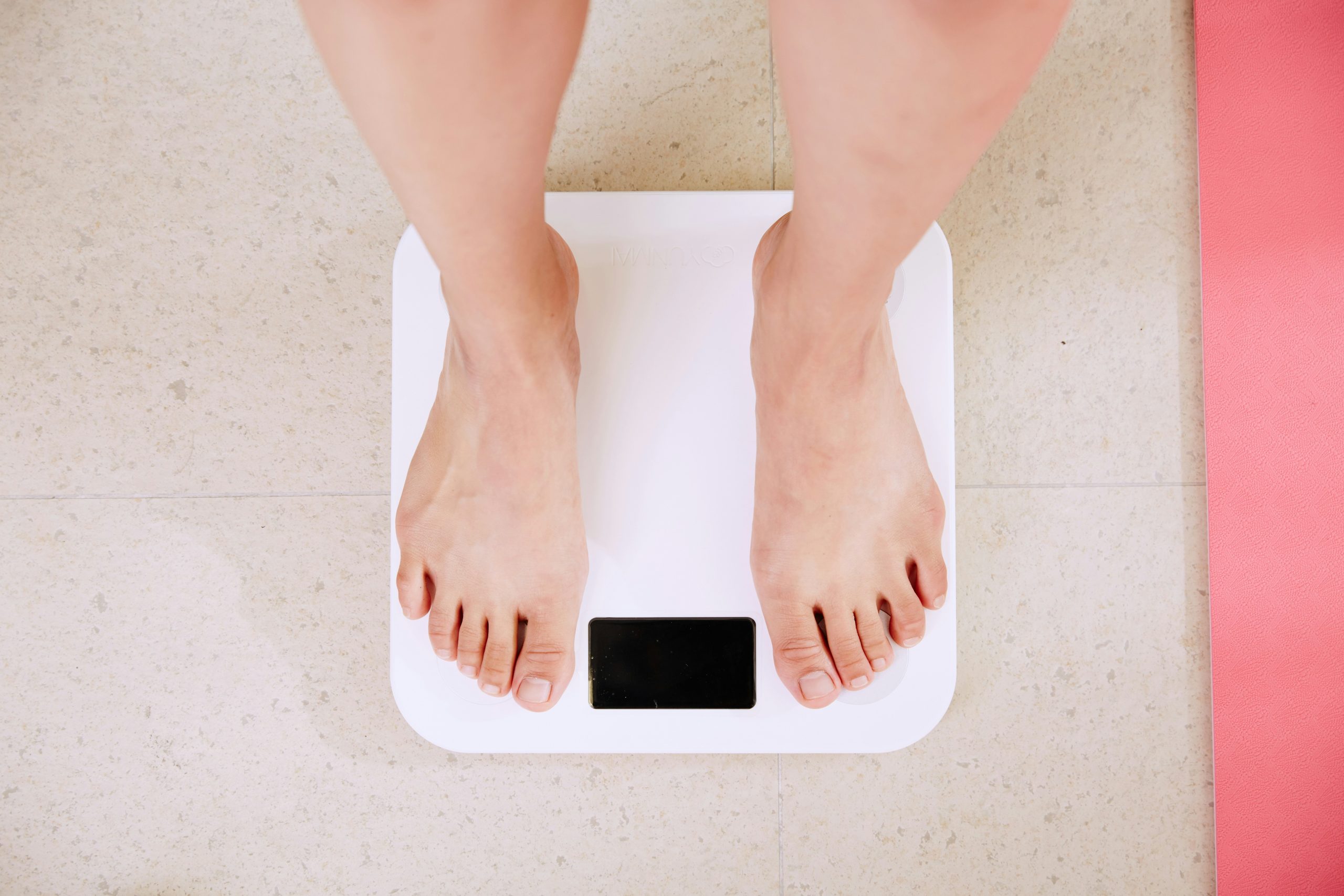
I remember the date of 27th June 2025 when I finally googled eating disorder recovery. Shortly after that I had to have a very raw conversation with my Manging Director about having struggled with an eating disorder from long before I had started to work for her, and a good few years before I started to study law at university. The thing about eating disorders is they make you keep secrets, you feel shame, guilt and frankly like a complete failure as you cannot manage to properly do, what nature intended we all should do- eat food. That conversation was one of many I had to have, to begin my journey of recovery.
It’s hard to know how prevalent eating disorders are in the legal profession because many like me will feel the stigma of admitting it, how you can you be capable at your job when you cannot even manage to eat in a healthy way? While lots of law firms are now saying the right things about looking after the mental health of their employees, it’s not a topic I have managed to find much written about or spoken about in the legal profession. However, it seems other mental health issues that are more acceptable to talk about, are now accepted as being prevalent in our profession and on the rise, and it’s not surprising.
The legal profession is one of the most demanding and high-pressure career paths. Lawyers face the ongoing challenge of keeping pace with legislative changes, navigating complex cases, consistently meeting deadlines which can change at the drop of a hat, along with expectations of clients, all of which can significantly impact challenges with mental health and overall wellbeing. It’s an environment of high-pressure which can be fiercely competitive with sometimes long hours and high expectations. The days of many people being eligible for legal aid in the UK are thing of the past, which adds more pressure. So, it’s unsurprising that individuals within this sector face a heightened risk of developing mental health issues compared to the general population and despite law firms putting into place ways to help with mental health.
With a new generation of lawyers, who have been brought up to feel more open about discussing mental health challenges , law firms have had no option but to be seen to put in place procedures that seem to offer a safe space for those struggling and look at how they operate to safeguard the mental health of employees.
But it’s not getting better …yet
According to the 2023 ALM and Law.com Compass mental health survey of the legal profession, lawyers reported experiencing an increase in stress, anxiety and depression.
Approximately 71% of the nearly 3,000 lawyers surveyed said they had anxiety – a 5% increase from 2022. Further, last year there was a 24% increase in the number of people contacting Law Care, the mental health and wellbeing charity for legal professionals.
It’s to be applauded that legal professionals are at least reaching out to charities for help, but what about speaking to their employers or their colleagues who may be able to make a practical difference.
I believe one reason for the reluctance to open up about needing help and to engage in recovery, is related to the culture of the legal profession. The fear of showing weakness and vulnerability. That fear of showing “weakness” is so ingrained into our thought process as lawyers , even starting as law students, that as a profession, we are often unable to distinguish between how feelings need to be channelled to do our best to excel in the profession versus what we need to do to help ourselves when we are struggling with mental health issues. We have difficulty stepping back and embracing the vulnerability of telling people when we are struggling, as being a virtue.
I certainly don’t blame my eating disorder on my choice of career, but by placing myself in that kind of environment believe found myself more susceptible to the strong hold of my eating disorder.
I had to take time off work to recover from my eating disorder, I could not be in an environment where I felt others had such high expectations of me , and also deal with the tirade of days where I felt so out of control and incredibly imperfect during my recovery. I was very lucky I had support and compassion from my employer, but not everyone will be so lucky until this condition is talked about more.
I would love more law firms to feel able to open up conversations about eating disorders because until they do, I believe there a huge number of legal professionals , male and female unable to share their struggles and benefit from the support of an employer to engage in recovery .To anyone reading this who is struggling with their relationship with food , I am here to tell you that putting shame, guilt and fear aside, and allowing myself to be vulnerable with everyone important to me in my world, was so vital to my recovery because eating disorders are at their most deadly when you are silent.
And I will add one thing, that having returned to my role ( as well as my role as a coach) I enjoy my work so much more than before, I am still as capable as I ever was, because an eating disorder does not make you less than, or a failure, if you can recover from an eating disorder, there is no legal challenge that will phase you !